
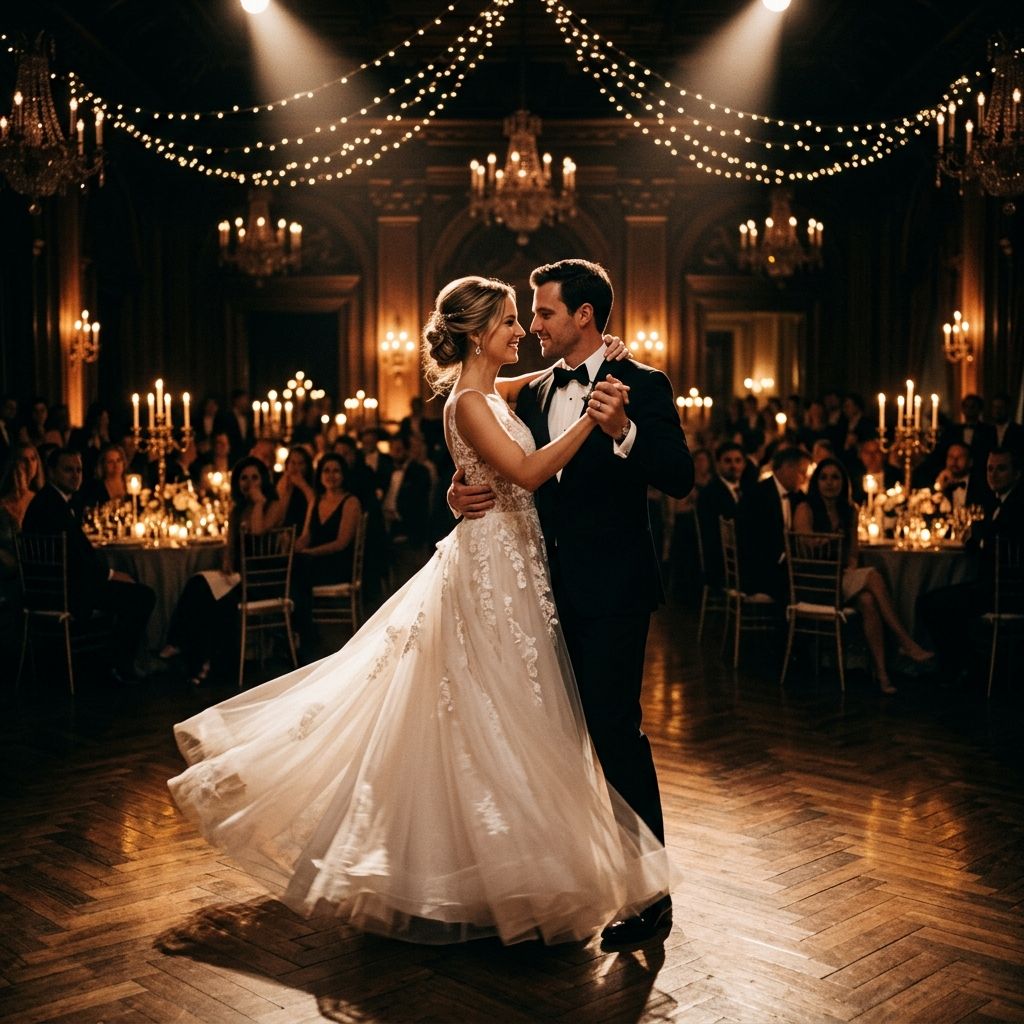
"A first dance shouldn't feel like a choreographed math test. It should look like two people accidentally moving beautifully to music." — The Big Apple Instructors
1. The Timeline: When should we start?
The number one mistake couples make is treating their first dance as an afterthought. Waiting until the month of your wedding adds unnecessary stress. Dance is about muscle memory, and muscle memory takes time to sink in.
- The 3 to 6 Month Window (Ideal): If you want a fully choreographed, breathtaking routine without feeling rushed, start here. This gives you plenty of time to learn, practice, and feel natural moving together, ensuring you're dancing on autopilot by the big day.
- The 2 Month Window (Standard): Perfect for a simple, elegant routine. You won't be doing flying lifts, but you will look incredibly sharp and confident holding each other.
- The 1 Month Crash Course: If you are completely out of time, do not panic. We can distill a basic but beautiful entrance, a comfortable sway, and a photogenic final dip to make you look like pros.
Expert Tip: Build Buffer Time
Schedule your final lesson 1-2 weeks before the wedding. The week of your wedding will be chaos—you don't want to be stressing over dance steps.
2. The Look: Navigating Dress Restrictions
You likely didn't buy your wedding dress with a Quickstep in mind. Some silhouettes are beautiful, but they physically restrict how wide you can step or how high you can lift your arms.
- A-Line & Ballgowns: Generally the most forgiving. However, ensure the hem is tailored properly so your partner doesn't step on it during underarm turns or reverse dips.
- Mermaid & Trumpet Gowns: These heavily restrict your stride length below the knee. Your instructor *must* know if you are wearing this style, as they will need to tailor your choreography with smaller, tighter footwork.
- The "Second Look": If you have a complex choreography planned (Salsa, Swing, or intense lifts), we highly recommend having a shorter or more flexible reception dress.
3. The Shoes: Practice How You Play
Never practice in comfortable sneakers and then suddenly strap on 3-inch stilettos on your wedding day. Your balance will completely change, and your routine will feel foreign.
Bring your actual wedding shoes to your lessons, starting around the halfway mark of your package. If you don't want to scuff your real wedding shoes, buy a cheap pair with the exact same heel height and sole type to practice in. For brides: look for shoes with ankle straps—they provide infinitely more stability during turns.
4. The Stage: Mastering The Dance Floor
A first dance is a performance, and every performance needs staging. Think about your venue layout:
- Audience Placement: Will guests be seated at tables entirely surrounding you (360-degree)? Or will they be clustered on one side? We will choreograph your spins and the final dip to face the most important viewing angle—usually your photographer or the sweetheart table.
- Floor Size: Don't plan sweeping, traveling Waltz movements if your venue has a tiny 10x10 tile floor packed with band equipment. Tell your instructor the rough dimensions.


